


Born between the late ’90s and early 2010s, Gen Z is shaping the future of business.
With over 68.6 million individuals in the U.S. alone, they make up more than 20% of the American population, and globally, they represent a staggering 26% of the world.
These are digital-first, socially aware consumers with spending power and opinions that brands can’t afford to ignore. From how they shop to who they trust, Gen Z is flipping traditional marketing on its head, and the data proves it.
In this article on Gen Z marketing statistics, you will see the numbers and learn what makes Gen Z tick so you can create effective strategies.
The stats below are all verified, up to date, and sourced from trusted research. You’ll find the full list of sources at the bottom of the post for complete transparency.
1. Gen Z accounts for over 20% of the US population, with 68.6 million individuals.
(Analyzify)
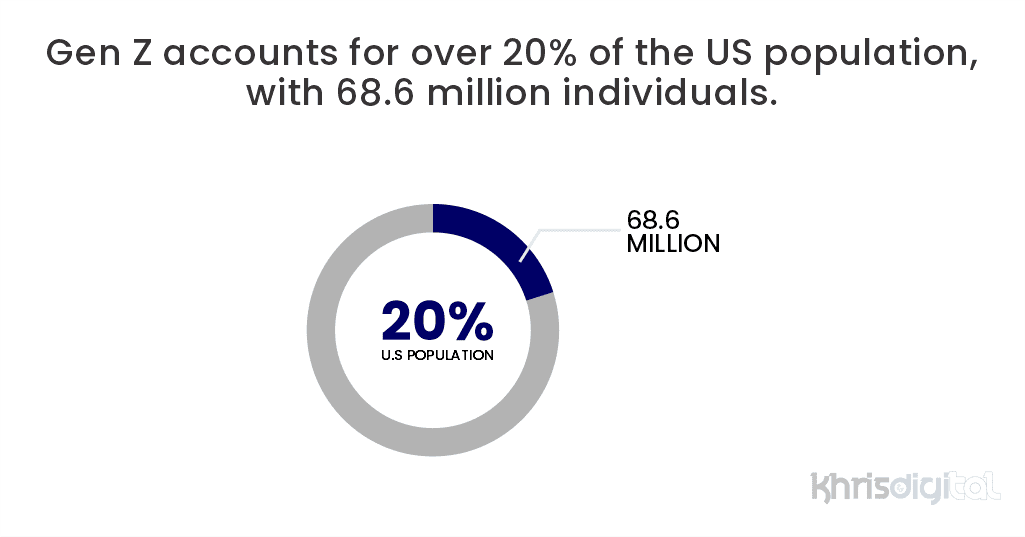
Gen Z holds real weight in the American demographic mix. It’s a major chunk of the population, with influence that spans cultural trends, political shifts, and purchasing decisions.
Brands trying to future-proof their business need to understand this generation on more than just a surface level. Their size gives them the power to move markets, reshape expectations, and demand more from companies.
Gen Z is diverse, vocal, and constantly connected, which makes them a driving force behind what sticks and what fades. Ignoring this group means missing out on one of the largest, most opinionated, and most digitally active segments in the country.
2. Gen Z comprises approximately 26% of the world’s population.
(Enterprise Apps Today)

Gen Z is influencing the global stage. Whether it’s how they use technology, speak out on social issues, or interact with brands, their behaviors are setting new global standards.
For companies operating internationally, this generation is a worldwide force that’s redefining expectations across industries. Any brand with global ambitions needs to study how Gen Z thinks, communicates, and buys in different markets.
3. Gen Z represents $450 billion in spending power.
(Snapchat)
This generation is financially impactful. And it’s not just their own wallets. Their opinions shape family purchases, drive social shopping trends, and influence everything from tech to fashion to food.
They don’t just buy. They research, review, and recommend. Their spending reflects their values, and they expect brands to align with what matters to them.
4. Gen Z has over $360 billion in buying/spending power in the US.
(ElectroIQ)
Inside the U.S. alone, Gen Z is already controlling a massive flow of cash. From subscriptions and gadgets to skincare and streaming, their purchases show a clear sense of independence and influence.
What makes their spending different is how tied it is to digital culture, peer opinions, and brand ethics. They’re constantly plugged in, comparing, and deciding in real time. Gen Z knows how to find alternatives, spot inauthentic marketing, and shift their loyalty quickly.
5. Gen Z’s spending power is projected to surpass $12 trillion by 2030.
(Cropink)

This generation is just getting started. As more of Gen Z enters the workforce and begins building financial independence, their economic impact is set to explode. This growth reflects more than just numbers.
It shows how Gen Z is shifting into financial decision-making roles earlier and with more control than previous generations. Their future spending won’t look like what worked before. It’ll be digital, fast, values-driven, and influenced by creators, not commercials.
6. Around 7.3 million Gen Z individuals work full-time in the U.S. annually, plus 6.3 million are part-time employees.
(US Bureau of Labor)
These numbers show that Gen Z is stepping into real-world responsibilities fast, gaining income and influence along the way. Their presence is growing in retail, tech, service, and creative roles, often bringing fresh energy and high digital fluency to the workplace.
And with income comes choice. Their employment status gives them control over how and where they spend, and it’s a key reason brands are investing in understanding their work-life priorities, flexibility expectations, and spending behaviors.
7. Gen Z accounts for 40% of global consumers.
(McKinsey)
Nearly half of the world’s consumer base belongs to Gen Z. That kind of market share changes everything. These are not passive buyers. They’re informed, connected, and vocal about what they want.
Their influence touches every industry, from fashion to finance to food delivery. They shape trends and push companies to evolve. With this level of dominance, Gen Z is the market in many sectors.
8. Gen Z makes up over 41 million U.S. digital buyers.
(Insider Intelligence)
Digital shopping is the norm for Gen Z. They’re not browsing for fun. They’re researching, comparing, and checking reviews before clicking buy.
Social media often sparks their interest, but the follow-through happens on mobile apps, influencer storefronts, and seamless checkout pages. If the buying experience feels clunky or outdated, they move on fast.
9. Gen Z represents 5% of global retail spend.
(Afterpay)
This early figure is just the baseline for a generation still gaining earning power and financial independence. What matters more is how they spend. They favor brands that match their values, deliver convenience, and show up authentically online.
Their purchases are often driven by trends born on platforms like TikTok or by word of mouth from creators they trust. Even with a smaller slice of the global retail pie right now, Gen Z is shaping how that pie gets divided. And their share is only growing.
10. By 2030, Gen Z will represent 17% of global retail spending.
(Afterpay)

This projection signals a major shift. In just a few years, Gen Z will nearly quadruple its influence on global retail. As more of them enter adulthood, build careers, and manage personal finances, their role as primary consumers will solidify.
Retailers that want to stay competitive need to rethink their entire approach from product design to customer service to align with Gen Z’s expectations. The future of retail will revolve around them.
11. 98% of Gen Z own a smartphone, with 75% citing it as their preferred device for nearly all activities.
(GWI)
For Gen Z, the smartphone is their hub for life. It’s how they communicate, shop, study, scroll, and create. With nearly all of them owning one and most choosing it over any other device, brands have a clear message, which is that mobile comes first.
Whether it’s social content, mobile-optimized websites, or app experiences, everything needs to be designed with the small screen in mind. If it doesn’t work well on mobile, it won’t work at all.
12. Currently, 94% of Generation Z use social media.
(Business Dasher)
Social media is a part of Gen Z’s daily routine. Almost all of them are active on at least one platform, often across several. This is where they discover trends, connect with peers, follow creators, and interact with brands.
It’s also where trust is built or lost. Static ads and generic posts don’t cut it here. Gen Z expects real-time engagement, relatable content, and a clear brand voice. They use social platforms as search engines, entertainment hubs, and shopping guides.
13. Gen Z spends 1-5 hours daily on social media.
(Kompas)
With many spending up to five hours a day scrolling, watching, chatting, and sharing, these platforms are more than entertainment. They’re where opinions form, communities grow, and buying decisions start.
This kind of daily screen time gives brands repeated chances to show up, but only if the content fits. Gen Z isn’t sticking around for recycled posts or corporate fluff. They want relevance, creativity, and connection.
14. 61.1 million Gen Z in the United States are active social media users.
(Business Dasher)
That number puts Gen Z at the center of the U.S. social media economy. These are creators, trendsetters, and early adopters. They drive conversations, spark viral moments, and influence what gains traction online.
Their activity isn’t limited to one platform either. They bounce between apps like TikTok, Instagram, Snapchat, and YouTube, expecting each to deliver something different.
15. The average Gen Z spends 2 hours and 43 minutes daily on social media.
(Ignite Social Media)
Gen Z uses this time to stay informed, entertained, connected, and inspired. Whether they’re watching short-form videos, joining conversations, or exploring new brands, every minute shapes what they think and buy.
This daily screen time gives marketers a steady window to connect, but the content has to match Gen Z’s pace and style. They move fast, skip what’s boring, and follow what feels real.
16. 50% of Gen Z use social media daily.
(Business Dasher)
Half of Gen Z logs in every day, making social media their most consistent digital habit. It’s where they check in, catch up, and stay plugged into the world. Daily use means brands have ongoing opportunities to connect regularly.
This consistency builds familiarity, and for Gen Z, that’s key to building trust. They expect new content, quick responses, and a brand presence that feels alive.
17. 10.65% of Gen Z spend less than 1 hour daily on social media, 42.08% spend 1 to 3 hours, 30.8% spend 3 to 5 hours, and 16.47% spend more than 5 hours.
While a small group keeps it under an hour, the majority spend anywhere from 1 to 5 hours a day, with a significant chunk going well beyond that. These numbers reveal how deeply social media is woven into their daily lives.
Marketers looking to reach this generation need to factor in both volume and variety. Some users check in briefly, others practically live there. Relevance and timing matter more than ever.
18. 71% of Gen Z express a keen interest in discovering new brands.
(Vogue)
Gen Z isn’t loyal to legacy, but they’re loyal to what’s fresh, relevant, and engaging. A strong majority actively seeks out new brands, flipping the script on how discovery works.
They aren’t waiting to be marketed to. They’re searching, scrolling, and sharing what stands out. This interest gives new and emerging brands a real shot at breaking through, but only if they bring something different to the table.
Gen Z values originality, purpose, and experience. If a brand can offer that, they’re more than open to giving it a shot.
19. 61% of Gen Z follow brands on social media.
(Survey Monkey)
Following a brand means more than liking a product. It’s about staying connected, watching how it behaves, and deciding if it fits their vibe. For Gen Z, a brand’s social feed acts like a resume. It shows tone, values, and personality.
If it feels stale or too corporate, they scroll past. But if it feels genuine and in touch, they’ll engage, share, and maybe even buy.
20. 29% of Gen Z are more likely to buy from brands with a social media presence.
(Survey Monkey)
For Gen Z, showing up on social media builds credibility. If a brand isn’t on social, it raises questions: Is it legit? Does it get today’s culture? Is it listening? A strong presence signals that a brand is real, current, and connected.
It also gives Gen Z a place to interact, ask questions, and see how the brand engages with others. For this generation, if a brand isn’t social, it’s often invisible.
21. 81% of Gen Zs prefer personalized ads, vs. 57% of Millennials and 42% of Boomers.
(Amplitudo)
Unlike older generations who often view targeted ads with suspicion, Gen Z sees them as more relevant and less intrusive. Generic campaigns miss the mark with this group. They want ads that reflect their interests, past behavior, and current needs.
Personalization tells them a brand is paying attention. It also raises the bar. If the ad feels random or off-brand, they’re quick to ignore it.
22. Gen Z shoppers shop 2X more on mobile than Millennials.
(OptinMonster)
Mobile is the default shopping channel for Gen Z. They aren’t sitting at desktops comparing tabs, but they’re adding to cart between classes, during commutes, or while watching content.
Shopping happens in real time, often triggered by what they see on social media or from influencers they follow. The fact that they shop twice as much on mobile as Millennials shows just how far their habits have shifted.
23. Over 60% of Gen Z shoppers bought products they saw on social media.
(WARC)
This behavior proves that social platforms are part of the shopping experience. Whether it’s a trending item, a creator recommendation, or a brand’s own post, Gen Z is paying attention.
The visual appeal, comments, and shareability all play a role in driving action. If a product looks good and feels trusted in that space, it moves fast.
24. 73% of Generation Z follow one or more brands on social media.
(99 Firms)
For Gen Z, following brands is part of the experience. They follow brands that speak their language and reflect their values. The follow button is a sign of interest and not blind loyalty. If the content stays fresh and the brand feels authentic, they stick around.
25. 32% of Gen Zers discover brands and products through social media influencers.
(Cropink)
Influencers are trusted sources for what’s worth buying for Gen Z. That trust comes from the relationship influencers build with their audience. They speak casually, show real use cases, and give honest opinions.
For Gen Z, this feels more reliable than a polished campaign. When influencers align with their tastes and values, their recommendations carry serious weight.
26. 59% of Gen Z say they trust the brands they grew up with.
Brand loyalty starts early with Gen Z. That trust is built over years of consistent messaging, good experiences, and relevance. These brands have become part of their daily lives, shaping habits and expectations.
But staying trusted means staying current. Gen Z won’t hold on if a brand stops evolving. The familiarity gives an edge, but it has to be backed by action.
27. 48% of Gen Z have made a second-person word-of-mouth recommendation.
(Convince and Convert)
That kind of recommendation carries weight because it comes with context and trust. Gen Z doesn’t promote just anything.
If they talk about a brand, it’s usually because it stood out or solved a real need. This kind of advocacy is gold for marketers. It’s driven by genuine satisfaction.
28. 68% of Gen Z want all brands to help society.
(Business Dasher)
Whether it’s sustainability, mental health, inclusivity, or community support, this generation expects companies to show up with purpose. Silence or neutrality often reads as indifference. Brands that take a stand and back it with action earn attention and respect.
29. YouTube engages 88% of Gen Z users.
(Morning Consult Pro)
YouTube holds Gen Z attention more consistently than almost any other digital space. It’s where they go to learn, laugh, get inspired, and discover new products. Long-form, short-form, tutorials, and commentary live here.
The platform gives them control over what they watch and how they watch it. For brands, this is a prime spot to reach Gen Z with content that entertains or educates without feeling like an ad.
30. 39% of female Gen Z consumers are more likely to purchase a product after viewing it on TikTok.
(Analyzify)
Whether it’s a creator review, a GRWM video, or a trending product haul, the platform turns discovery into instant interest. The visual format and quick storytelling make products feel more relatable and real.
31. 55% of Gen Z believe that exclusive content like behind-the-scenes videos or tutorials enhances a brand’s appeal.
(Analyzify)
Behind-the-scenes clips, how-tos, and insider moments help them feel connected and valued. This generation grew up with endless options, so what makes a brand stand out is often the experience around the product.
When a brand pulls back the curtain, it builds trust and relatability. It also shows personality, something Gen Z deeply cares about. Exclusive content is part of what earns their attention and keeps them coming back.
32. Nearly 50% of Gen Z compare prices on Amazon before finalizing a purchase.
(Analyzify)
Price-checking is second nature to Gen Z, and Amazon is often their go-to benchmark. This habit shows how value-driven and informed their shopping behavior is.
Even if they discover a product on social media or a brand’s website, they want to make sure they’re not overpaying. Amazon’s speed, reviews, and trust factor make it a key part of their buying process.
33. 46% of Gen Z are deterred from buying products if they cannot access independent reviews or information.
(Analyzify)
Brand claims aren’t enough; they want real feedback from people who’ve already used the product. If that information isn’t easily available, trust breaks down and interest fades.
This generation relies heavily on reviews, YouTube breakdowns, Reddit threads, and social proof before making decisions. They treat research as part of the shopping experience.
34. 48% of Gen Z consider short-form videos their preferred way to discover new products on social media.
(HubSpot)
Short-form video is Gen Z’s top choice for product discovery. Scrolling through platforms like TikTok, Reels, and Shorts, they’re drawn to quick clips that show how something works, looks, or fits into real life.
A few seconds can spark enough interest to click, search, or even buy. This is why brands that lean into short-form content see higher engagement.
35. 57% of Gen Z discover new brands and products through YouTube.
(Analyzify)
Unlike traditional ads, YouTube videos offer a deeper look into how the product performs, how it fits into someone’s routine, and whether it’s worth the price. Gen Z values that kind of honest, detailed insight.
They use YouTube the same way others use search engines, combining entertainment with research.
36. 76% of Gen Z use TikTok for humor and lighthearted content.
(Cropink)
This preference shapes what performs well and how brands need to show up. Polished ads and heavy messaging rarely land. Instead, humor, trends, and casual creativity drive attention and engagement. Even product mentions have to blend into the vibe.
37. Seventy-three percent of consumers favor short-form videos, with 57% of Gen Z preferring them to learn about new offerings.
(Yaguara)
Whether it’s a 30-second how-to, a product demo, or a creator showing off a recent find, this format delivers the information without wasting time. For Gen Z, shorter means more efficient. It’s about getting the point across in a way that feels native to the platforms they use every day.
38. Since 2020, Gen Z has used TikTok more than 100% more to research products and brands.
(Analyzify)
TikTok has rapidly evolved from entertainment to a search engine for Gen Z. Traditional search can feel slow or out of touch, but TikTok delivers fast, visual insights from real people. Gen Z trusts what they see from creators and peers more than what’s on a brand’s website.
39. Instagram (30.4%) and TikTok (23.2%) are the most commonly used platforms by Gen Z for shopping discovery. Both social media platforms outrank Google (18.8%), while YouTube is a common choice as well at 14.5%.
(Chain Store Age)
These platforms offer visual proof, peer opinions, and direct access to brands all in one scroll.
YouTube also plays a strong supporting role, with in-depth content that builds context. This shift shows how Gen Z blends entertainment and research into one experience.
40. Instagram is the top choice for direct messaging among Gen Z users.
(eMarketer)
DMs on the platform have become their main channel for private conversations, whether it’s with friends, creators, or even brands. It’s fast, integrated into where they already spend time, and feels more personal.
This preference also changes how they expect brands to communicate. They’re more likely to reach out with a quick question or comment in DMs than through customer service forms.
41. For short-form video content, TikTok remains the preferred platform among Gen Z, with most respondents indicating it as their go-to for short videos on social media.
(eMarketer)
TikTok dominates the short-form video space among Gen Z. While other platforms offer similar formats, TikTok is where they go first. Its algorithm, trends, and creative freedom keep the content fresh and addictive.
Whether they’re looking for product recommendations, humor, or storytelling, TikTok delivers it in a format that matches their attention span.
42. Regarding long-form video content, YouTube is the top among Gen Zers.
(eMarketer)
The platform gives them the time and space to explore topics that matter, without being rushed. Unlike short-form content, YouTube lets creators dive deeper, which builds trust and keeps Gen Z coming back.
43. Regarding live streaming, Gen Z chooses TikTok over Instagram, although YouTube remains the ultimate leader.
(Research and Markets)
Live content gives Gen Z a sense of immediacy and connection, and YouTube still leads the pack for longer, more structured streams. But when it comes to casual, off-the-cuff live moments, Gen Z prefers TikTok over Instagram.
TikTok’s format feels more spontaneous and raw, which fits how Gen Z wants to engage. While Instagram still holds space, it’s losing ground with younger users who crave content that feels more alive and less curated.
44. Around 50% of Gen Z shops online monthly, and the same percentage makes a purchase when they need something. 33% look for good deals and buy when there are sales.
(WordStream)
Online shopping is routine for Gen Z, with half of them making purchases at least once a month. Their habits show a mix of practicality and deal-hunting. When they need something, they buy it, but they’re also watching for the right moment.
A third wait for discounts or sales before pulling the trigger. This behavior shows that while Gen Z values convenience, they’re also cost-aware and strategic. Flashy marketing alone won’t move them. The timing, price, and perceived value all have to line up.
45. 55% of Gen Zs engage more with brands when they follow their social media influencers and listen to their podcasts.
(Analyzify)
These relationships create familiarity and bridge the gap between brand and consumer. When an influencer or podcast host they trust talks about a product, it feels more personal and less scripted. That connection boosts attention, interaction, and even conversions.
46. Half of the Gen Z population trusts algorithms to deliver the accuratelydesired content and products.
(Analyzify)
This comfort with personalization changes how they interact online. If the feed feels on point, they stay. If it feels off, they swipe away. Trusting algorithms means they expect relevance.
47. 77% of US Gen Zs look for style inspiration monthly, with nearly half using social media.
(Insivia)
Platforms like TikTok, Instagram, and Pinterest have replaced traditional fashion magazines, offering real-time looks from influencers, creators, and everyday users. It’s about finding what feels fresh and reflects personal style.
Social media gives them access to endless ideas, often tied to trends, moods, or aesthetics.
48. 80% of Gen Zs feel they encounter more brand advertisements than any other generation, compared to 73% of millennials.
(Analyzify)
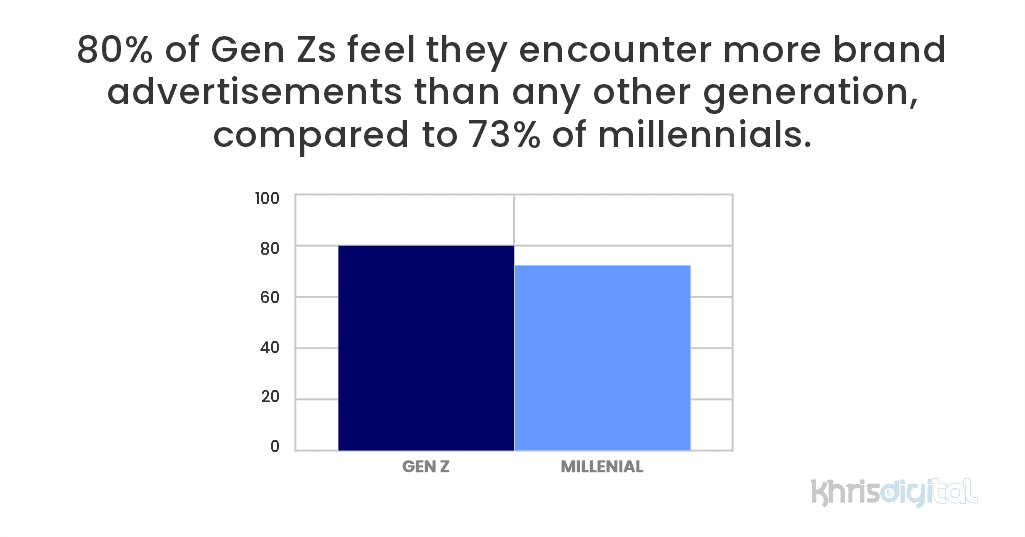
Gen Z feels the ad overload more than anyone else. Most say they’re constantly hit with brand messaging, and it’s not going unnoticed. With 80% feeling saturated, they’ve become highly selective about what earns their attention.
They scroll fast, skip what doesn’t click, and tune out anything that feels generic. Compared to millennials, who also feel the weight at 73%, Gen Z is even more sensitive to the noise.
49. 50% of Gen Z believe companies should take a stance on social issues.
(HubSpot)
Gen Z expects brands to stand for something beyond profit. Silence often reads as avoidance, and performative gestures don’t go far. This generation values action, consistency, and clarity.
They don’t expect perfection, but they do expect honesty and progress. When a brand takes a stand that aligns with its values, Gen Z is more likely to support, engage, and stick around.
50. 69% of Gen Z want companies to take a stance.
(HubSpot)
This generation wants to know where companies stand and how they back it up. Silence or vague messaging feels out of touch. Gen Z pays attention to what brands support, who they collaborate with, and how they respond in moments that matter.
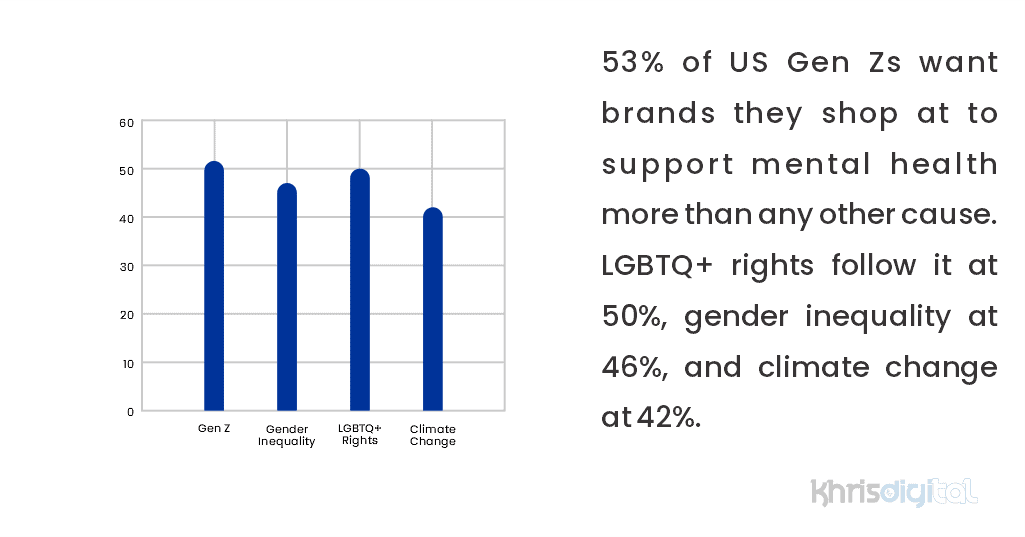
51. 53% of US Gen Zs want brands they shop at to support mental health more than any other cause.
(eMarketer)
This expectation goes beyond awareness campaigns. They look for real action: supportive messaging, mental health resources, honest conversations, and policies that reflect care for both customers and employees.
Gen Z sees mental well-being as part of everyday life and expects the same recognition from brands.
52. LGBTQ+ rights follow it at 50%, gender inequality at 46%, and climate change at 42%.
(HubSpot)
When it comes to the issues Gen Z wants brands to speak up on, the priorities are clear. Half expect support for LGBTQ+ rights, followed closely by support for addressing gender inequality and climate change.
These are deeply tied to how Gen Z views fairness, identity, and the future. They notice when brands support these causes with real action, not just statements. For this generation, alignment on social issues is part of how they choose where to spend.
53. Nearly 50% of Gen Zs are more interested in ads and products their favorite podcasters endorse.
(Insivia)
For Gen Z, podcast hosts are trusted personalities. The connection built over episodes makes these endorsements feel personal and honest. When a podcaster shares a product, it lands differently than a traditional ad. It feels like a recommendation from a friend.
54. Gen Zs are 18% more inclined to watch video podcasts than other podcast listeners.
(Insider Radio)
Gen Zs are significantly more drawn to video podcasts than older listeners, blending their love for visual content with the depth of long-form audio. Watching adds another layer of connection, letting them read expressions, catch reactions, and feel more involved.
55. 56% of Gen Z believe brands frequently misrepresent their products or services.
(Archrival)
Trust is fragile with Gen Z. They look for honesty, not hype. If a product doesn’t live up to what was promised, they’ll talk about it. Reviews, unboxings, and social proof carry more weight than brand claims.
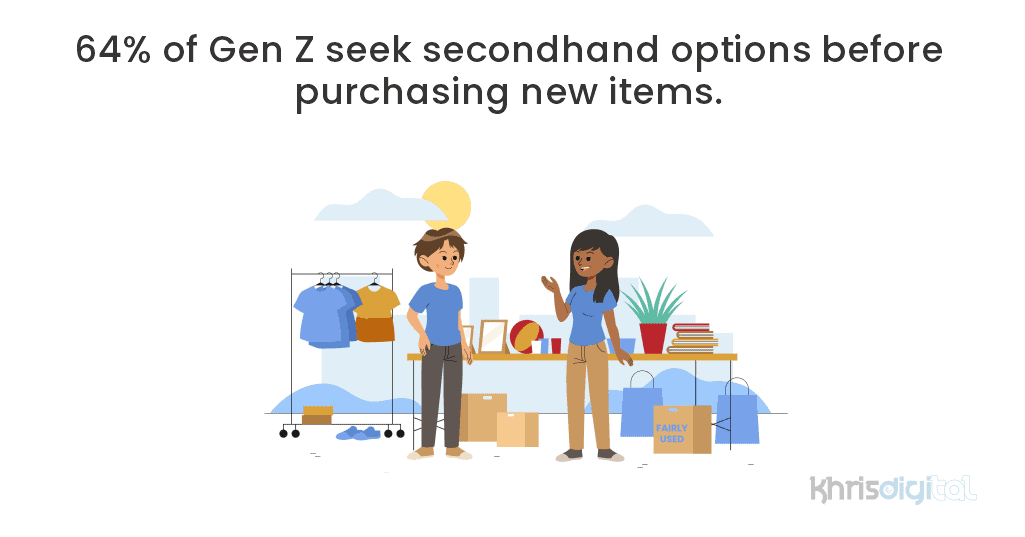
56. 64% of Gen Z seek secondhand options before purchasing new items.
(Business Insider)
This is about sustainability, uniqueness, and values. Thrift apps, resale platforms, and peer-to-peer marketplaces are part of their regular shopping flow.
They’re looking for quality, style, and a smaller environmental footprint. Buying secondhand feels smarter and more responsible.
57. 80% of Gen Z buy things second-hand.
(eBay)
Second-hand shopping is mainstream among Gen Z. It reflects a shift in mindset where value, sustainability, and individuality matter more than having something brand-new.
From fashion to tech, they’re comfortable buying used if the quality and price feel right. Platforms like Depop, Poshmark, and Facebook Marketplace are starting points.
58. Over half of Gen Z shoppers are likelier to shop with a brand that offers secondhand apparel and new items.
(Happy Eco News)
It shows that the brand values sustainability without sacrificing style or convenience. This flexibility lets Gen Z mix personal values with fashion choices, all under one roof.
It also signals that a brand understands modern shopping habits and isn’t stuck in outdated models.
59. 36% of Gen Z buy second-hand goods out of concern for sustainability and the environment.
(eBay)
They’re aware of how fast fashion and overproduction affect the planet, and they’re taking steps to shop differently. Choosing secondhand lets them align their lifestyle with their beliefs.
60. 68% of Gen Z are eco-friendly shoppers.
(CGS)
Gen Z shops with a conscience. They look beyond price tags and aesthetics, asking questions about sourcing, packaging, and production. This eco-awareness shapes their brand preferences and buying habits.
Products that are sustainable, ethical, and transparent win points, and those that aren’t often get left behind.
61. Gen Z is more willing than any other generation to pay 50% or 100% more for sustainable products.
(CGS)
Gen Z lead all generations in their willingness to pay significantly more for eco-conscious products, even up to double the cost. This mindset flips traditional assumptions about young consumers being overly price-sensitive.
Gen Z looks at the long-term impact, not just the short-term deal. They want to support brands that align with their values, even if it costs more.
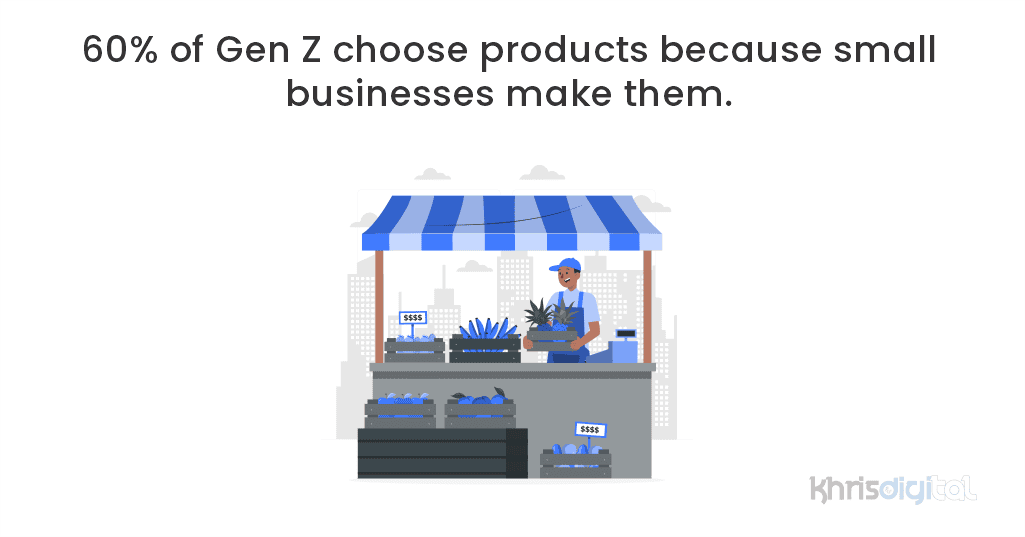
62. 60% of Gen Z choose products because small businesses make them.
(HubSpot)
It’s not just about size but about authenticity, transparency, and feeling like their money supports real people. They associate small brands with better values, more unique products, and stronger connections.
Brands that show their human side, especially smaller ones, have a clear edge with this generation.
63. 49% of Gen Z choose products because a person of color owns the brand.
(HubSpot)
Buying from businesses owned by people of color supports equity, representation, and cultural authenticity. This generation looks beyond the product and pays attention to who is behind it.
Ownership sends a message, and Gen Z responds by aligning their spending with their values.
64. 84% of Gen Z are likelier to buy from a company that treats its workers well.
(HubSpot)
For Gen Z, how a company treats its employees matters just as much as the product it sells. A strong majority say they’re more likely to support brands that care for their workers, and fair pay, safe conditions, and respectful treatment aren’t negotiable.
This generation connects ethical labor practices with brand integrity. If a company’s internal culture looks exploitative or careless, Gen Z takes notice and often takes their money elsewhere.
65. 83% of Gen Z are more likely to buy from brands they trust with their data.
(HubSpot)
Data privacy is a dealbreaker for Gen Z. This generation is tech-savvy, fully aware that their data powers everything from ad targeting to product suggestions. If a brand is clear, respectful, and secure with data use, Gen Z is more willing to engage.
66. 21% of Gen Z become aware of new products and brands via television advertisements.
(Analyzify)
While Gen Z is heavily digital, traditional media like TV still holds some ground, but only just. Compared to the influence of social media, creators, and streaming content, TV feels like background noise to most in this group.
When they do tune in, it’s often through streaming platforms that let them skip ads or watch on demand.
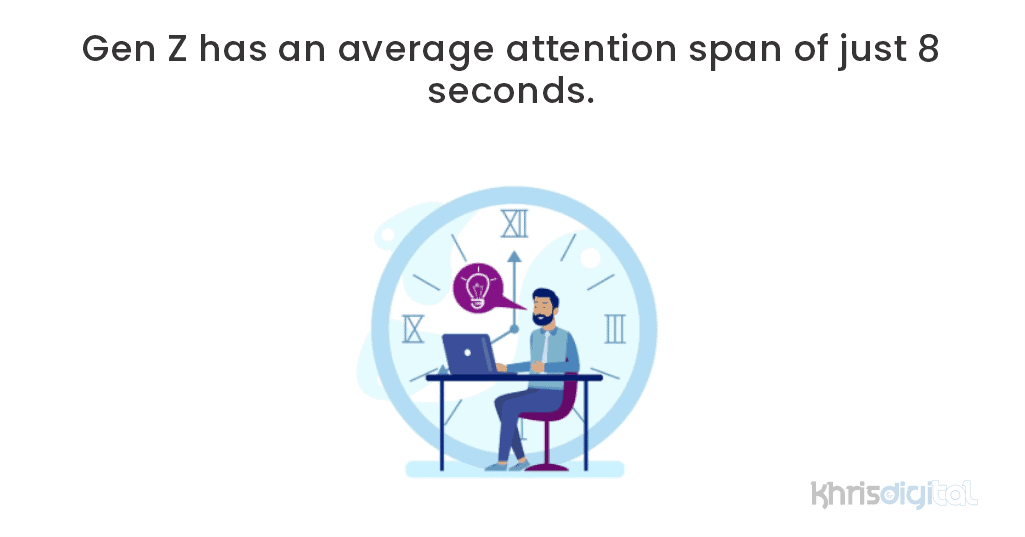
67. Gen Z has an average attention span of just 8 seconds.
(Microsoft)
Eight seconds. That’s all the time brands have to grab Gen Z’s attention, and even that’s generous. This generation grew up in a world of swipes, scrolls, and skips, which shaped how quickly they decide what’s worth their time.
If the first few seconds of a video, ad, or post don’t hook them, they’re gone. It’s not that they can’t focus, but they just don’t waste time on content that feels boring or irrelevant.
68. Gen Z takes just 1.3 seconds to lose active attention to ads, the least of any age group.
(eMarketer)
Gen Z moves fast, so fast that advertisers have just over a second to make an impression before they mentally check out. At 1.3 seconds, their attention span for ads is the shortest of any generation.
If the content doesn’t spark interest instantly, they’ve already moved on. They’ve been raised on nonstop content, and they know how to filter out what doesn’t matter.
69. 52.37% of Gen Z users prefer video ads on social media.
Static images and text-heavy promotions don’t hold their attention as short, dynamic videos do. They want to see products in action, feel the vibe, and get the point quickly. Video delivers that, and it’s fast, visual, and fits how they consume content.
Whether it’s a quick demo, behind-the-scenes clip, or influencer feature, video feels more real and engaging.
70. 47.63% of Gen Z prefer static image ads on social media.
Clean visuals, bold messaging, and aesthetic appeal can stop the scroll when done right. This format gives them a quick hit of information without requiring time or attention commitment.
Static ads work well when they’re striking, minimal, and designed to fit the platform’s look and feel.
71. 51% of Gen Zs believe social media influencers are pioneers in creating new trends.
(Analyzify)
Whether it’s fashion, slang, or product discovery, influencers often get there first. Their speed, creativity, and connection to their audience give them real cultural power. Gen Z sees them as more in touch than celebrities or brands.
72. Around 50% of Gen Z globally used search engines to research products before buying.
(Statista)
Despite their love for social media and short-form content, half of Gen Z still turns to search engines when making purchase decisions. They want facts, comparisons, and reviews.
Search engines give them control and a wider view of the product landscape. It’s where they check for pricing, quality, and brand credibility before committing.
73. 70% of Gen Zers prefer to buy from companies they view as ethical.
(Maersk)
Gen Z wants their money to mean something. Gen Z watches how companies act, not just what they say. If a brand cuts corners, hides problems, or ignores social issues, it risks losing this generation’s trust fast.
On the flip side, brands that lead with transparency and do the right thing, even when it’s hard, earn loyal support.
74. 45% of Gen Zers are likelier to engage with brands that demonstrate transparency and trustworthiness.
(Analyzify)
GenZs don’t just want a good product; they want to know who’s behind it, how it’s made, and what a brand stands for. If something feels hidden or misleading, they’ll move on without hesitation.
Brands that are open about their practices, pricing, values, and even mistakes create space for real connection.
75. 90% of Gen Zs think companies should actively address environmental and social issues.
(Association of Corporate Citizenship Professionals)
This generation wants brands to use their power and platforms to drive real change and not stay silent.
It’s not enough to make a donation or post once during a campaign. Gen Z is looking for long-term commitment, visible impact, and values that show up in everything a company does.
76. 53% of Gen Z want brands to support mental health.
(ICSC)
Mental health is a core concern for Gen Zs. This support can take many forms, such as open dialogue, internal policies, partnerships with mental health organisations, or even just creating a safe, pressure-free online space.
Gen Z values authenticity and consistency, especially when it comes to something this personal. They want to see brands actually care and not just say they do.
77. A brand’s values and mission influence 16% of Gen Z consumers’ engagement decisions.
(Analyzify)
While 16% might seem small, it represents a meaningful share of consumers who actively weigh a company’s mission before liking, following, or buying. This group engage when they feel aligned.
Whether it’s sustainability, equity, or transparency, values help shape the relationship. Even if price or product gets their attention first, the mission can be what keeps them around.
78. 41% of Gen Z fall into the early majority category when adopting innovations.
(Analyzify)
Gen Z are not the first to jump, but they move faster than most. Once an innovation gains traction, Gen Z helps it scale through word of mouth, social sharing, and personal use. Their openness to change makes them a key driver in what sticks and what fades.
79. 61% of Gen Zs have positive attitudes toward AI-generated content on social media.
(eMarketer)
Gen Z is open to innovation, including AI. They’re not hung up on whether something was made by a person or a machine; they only care if it’s entertaining, relevant, and well-executed.
AI tools that help creators tell better stories or brands deliver sharper content are welcome. What matters is the experience. If it feels thoughtful and aligns with their interests, Gen Z is on board.
80. 23% of Gen Z have used AR, and 38% express interest in exploring it further.
(Cropink)
Gen Z is starting to explore augmented reality, and interest is clearly growing. From virtual try-ons to interactive shopping filters, AR blends the digital and physical in ways that align with how Gen Z wants to experience products.
81. 61% of GenZ have experienced VR, surpassing other generations.
(Cropink)
Gen Z is leading the way into virtual reality. Whether through gaming, virtual events, or immersive brand experiences, they’re more comfortable stepping into digital worlds. VR is becoming another way for them to connect, explore, and engage.
Their early adoption shows a strong appetite for interactive tech that goes beyond screens.
82. 60% of Gen Z use price to decide which brand to buy from.
(Business Insider)
This generation might value ethics, sustainability, and creativity, but if the cost doesn’t make sense, they’ll walk away. They compare, hunt for deals, and use tools to make sure they’re getting the best value.
Being budget-conscious doesn’t mean they’re cheap. Gen Z wants brands that respect their wallet without sacrificing quality. Clear pricing, fair value, and transparency give them the confidence to buy and come back.
83. 75% of Gen Z is more likely to purchase something if they can customize it.
(Nielsen IQ)
Gen Z wants to feel like what they buy reflects who they are. Whether it’s colour, design, packaging, or functionality, customisation adds value. It turns a product into a statement.
This generation grew up curating playlists, avatars, and feeds, and now they expect the same level of control in shopping. Custom options make the experience feel personal and memorable.
Final Thoughts on Gen Z Marketing Statistics
Marketing to Gen Z is about understanding a generation redefining consumer behavior. With their global spending power projected to hit a staggering $12 trillion by 2030, brands that fail to connect with this audience risk being left behind.
From influencer-driven trends (trusted by 51% of Gen Z) to the growing demand for gender-neutral marketing (favored by 48%), this generation values authenticity, inclusivity, and innovation like never before.
The key to winning Gen Z’s attention is to meet them where they are with authentic, relevant, and engaging content.
Whether embracing AI-generated content (61% of Gen Z view it favorably) or championing social responsibility, brands aligning with Gen Z’s values will thrive. This is the new norm.
Stay adaptable, embrace their ever-evolving preferences, and watch your brand thrive in the age of Gen Z.
Frequently Asked Questions
What are the key characteristics of Gen Z that influence their purchase decisions?
Gen Z, born between 1997 and 2012, values authenticity and social responsibility in brands. They prioritize personalized experiences and are highly influenced by peer opinions and online reviews.
How does Gen Z’s media consumption differ from that of other generations?
Gen Z’s media consumption is predominantly digital. They have shorter attention spans, averaging about 8 seconds, making engaging visuals crucial. Platforms like TikTok and Instagram dominate their social media use, differing from older generations that rely more on traditional media.
What marketing strategies are most effective in engaging Gen Z consumers?
Marketers should focus on interactive and visually appealing content to engage Gen Z. Techniques such as influencer partnerships and community-driven campaigns resonate well. Authentic storytelling and brand transparency are also essential for building trust.
What role does social media play in marketing to Gen Z?
Social media serves as a primary channel for reaching Gen Z. They often use these platforms for product discovery, with 39% of female Gen Z consumers likely to purchase after seeing a product on TikTok.
How has Gen Z’s approach to digital content shifted the marketing landscape?
Gen Z demands content that is both engaging and relevant. This need for constant innovation has pushed brands to create more dynamic Digital experiences. As a result, marketers are leveraging short-form videos and immersive storytelling techniques to capture their attention.
What are the emerging trends amongst Gen Z consumers that marketers should be aware of?
Brands should note that Gen Z is increasingly interested in sustainability and social issues. They prefer brands that take a stand on relevant topics. Additionally, there is a growing desire for personalized shopping experiences, making customization a key trend to explore.
Sources:
Check out my other Statistics round up:
